


Sustainable Spring Cleaning: What to Keep, Consign, and Donate
Spring cleaning hits different when it’s your closet.
You know the moment: you pull out one sweater… and suddenly you’re sitting in a pile of clothes thinking, Why do I own four versions of this? or When did I even buy this?
Here’s the good news: you don’t need to become a minimalist to have a closet you love. You just need a simple system—and a little honesty.
This sustainable spring cleaning guide will help you sort your wardrobe into three clear categories: Keep, Consign, and Donate—so you can refresh your style, reduce waste, and make room for the pieces you actually wear.
Step 1: Set Yourself Up for Success (10 minutes)
Before you start trying things on, make it easy:
-
Grab 3 bins or bags and label them: KEEP / CONSIGN / DONATE
-
Put on a mirror-friendly outfit (leggings + tank works)
-
Turn on music or a podcast
-
Give yourself a “finish line” (one drawer, one section, one hour)
Closet clean-outs go off the rails when they feel endless. Small wins keep you moving.
Step 2: The KEEP Pile (What stays in your closet)
The “keep” pile is not just “stuff you like.” It’s the pieces that actively support your real life.
Keep it if…
1) You’ve worn it in the last 90 days
If you’ve reached for it recently, it’s probably earning its place.
2) It fits well right now
Not “it might fit later.” Not “it fits if I wear the right bra and don’t breathe.” If it doesn’t feel good, it won’t get worn.
3) It works with at least 3 other items you own
Versatility matters. If you can’t build outfits around it, it becomes clutter.
4) It makes you feel like yourself
The best closet has a vibe. If a piece doesn’t match the version of you you’re living as today, it might belong somewhere else.
5) It’s a high-quality staple
Classic denim, a great blazer, a leather bag, neutral shoes—these are the pieces that make getting dressed easier.
✅ Quick “keep” test:
If you were packing for a 3-day trip, would you bring it? If yes, keep it.
Step 3: The CONSIGN Pile (What deserves a second life)
Consigning is one of the easiest ways to shop and declutter sustainably—because your pieces don’t end up in a landfill, and someone else gets to love them.
Consign it if…
1) It’s in good condition
No major stains, holes, heavy pilling, or broken zippers (minor fixes are okay if you’re willing to do them).
2) It’s a great brand, fabric, or timeless style
Think: denim that holds its shape, linen, wool, structured jackets, quality shoes, handbags, well-made dresses.
3) You like it, but you don’t wear it
This is common: it’s cute, but it’s not you. Consigning helps you release it without guilt.
4) It’s trendy but still has life left
Spring trends come and go fast. If you’re done with a trend, consigning lets someone else enjoy it.
5) You’re holding onto it “just because it was expensive”
Let it work for you now. Consigning can help you recoup some value and clear space for what you’ll actually wear.
✅ Quick “consign” test:
Would you feel good giving this to a friend? If yes, it’s likely consign-worthy.
Bonus tip: Keep a small “consign box” in your closet year-round. When you try something on and it’s a no, it goes in the box immediately. Future you will thank you.
Step 4: The DONATE Pile (What helps someone else right away)
Donating is perfect for pieces that are still useful, but not ideal for consignment—especially basics.
Donate it if…
1) It’s clean and wearable but not high resale
T-shirts, older athletic wear, basic sweaters, kids clothes, everyday items.
2) It’s not in consignment condition, but still usable
Maybe it’s slightly faded, older style, or not something a boutique would resell—but it still has value.
3) It’s something you know you won’t wear again
If it’s not your style and it’s not worth holding onto, let it go.
Important note: Donation should still be intentional. If something is ripped, heavily stained, or worn out, it’s not helping anyone. In that case, look for local textile recycling options.
✅ Quick “donate” test:
Would someone be able to wear this tomorrow? If yes, donate.
Step 5: Avoid the “Maybe” Pile (Use this rule instead)
The “maybe” pile is where closet clean-outs go to die.
Try this instead:
-
If you’re unsure, hang it backward in your closet.
-
If you don’t wear it within 30 days, it goes to consign or donate.
No guilt. Just data.
The Sustainable Closet Mindset Shift
Spring cleaning isn’t about having less. It’s about having less that doesn’t work.
When you keep what you love, consign what still has value, and donate what can still help someone else—you create a closet that’s lighter, easier, and way more you.
And if you’re ready to refresh for spring without buying brand new? Consignment is one of the most sustainable ways to do it.
Urban Renewal Consignment makes it easy to pass along pieces you’re done with and find quality spring staples you’ll actually wear—without the fast-fashion waste.
Read more

How to Pack Light Using the 3-3-3 Capsule Wardrobe Rule
Learn how the 3-3-3 capsule wardrobe can help you pack lighter, reduce decision fatigue, and build a more sustainable closet using high-quality secondhand pieces.
Read more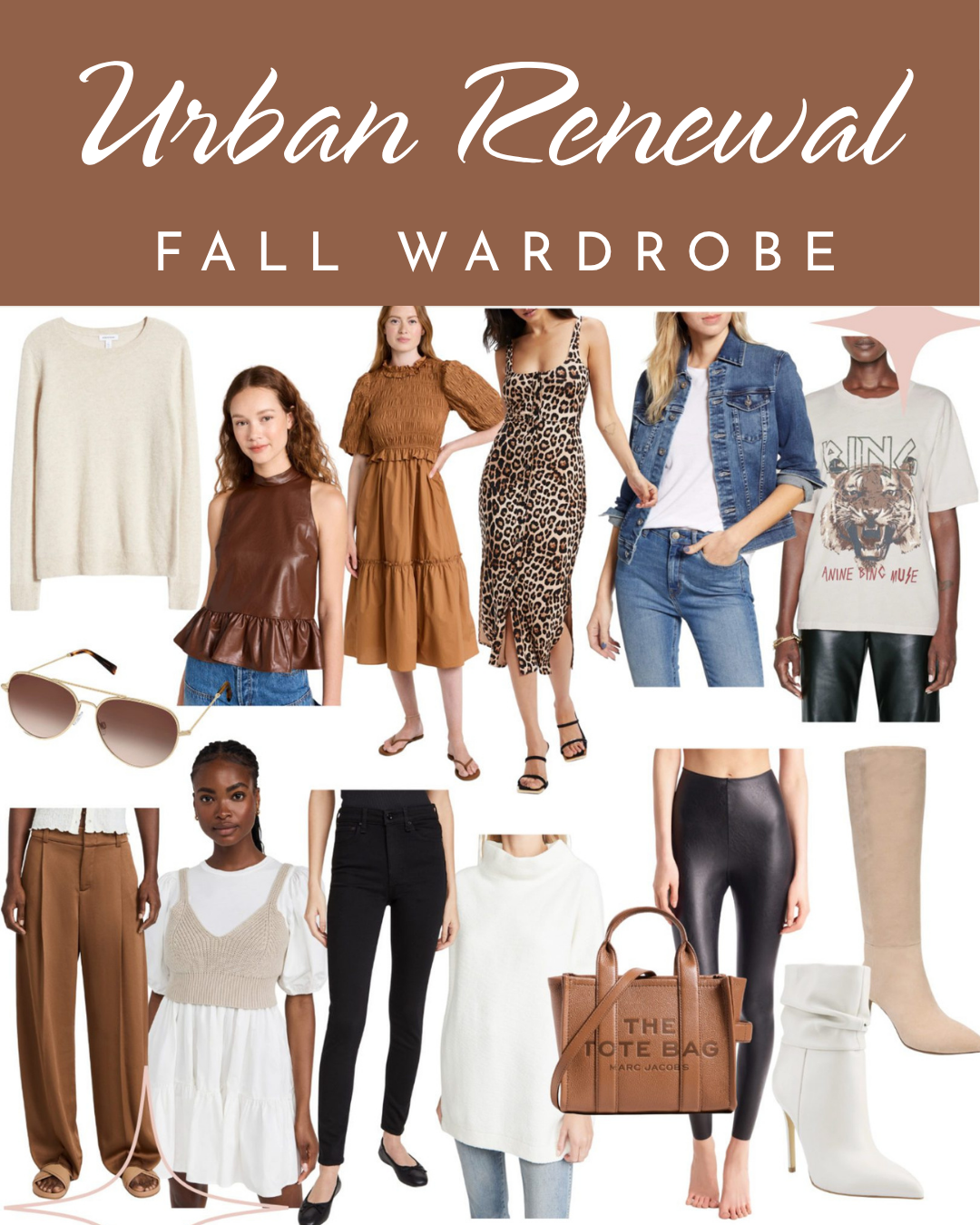
Fall Transitional Consignments: What to Bring to Urban Renewal Consignment
Fall is just around the corner, and that means it’s time to start transitioning your wardrobe—and your closet! At Urban Renewal Consignment Boutique in Kennesaw, GA, we’re currently accepting Fall ...
Read more